


I can usually predict my pain.
A long day, too much activity, a spike in stress—and the symptoms follow like clockwork.
But one afternoon, after an unexpectedly stressful exchange, the flare hit fast and hard. My body reacted as if something dangerous had happened.
Except nothing dangerous had happened.
No new injury.
No sudden movement.
No physical trigger.
Just stress.
That was the moment I started to suspect my nervous system wasn’t responding to the present.
It was responding to something from the past.
The Emotional Blind Spot I Didn’t Know I Had
For years, I didn’t know I was suppressing emotions. I wasn’t numb. I wasn’t disconnected. I wasn’t avoiding anything on purpose.
I simply didn’t feel certain emotions—especially anger.
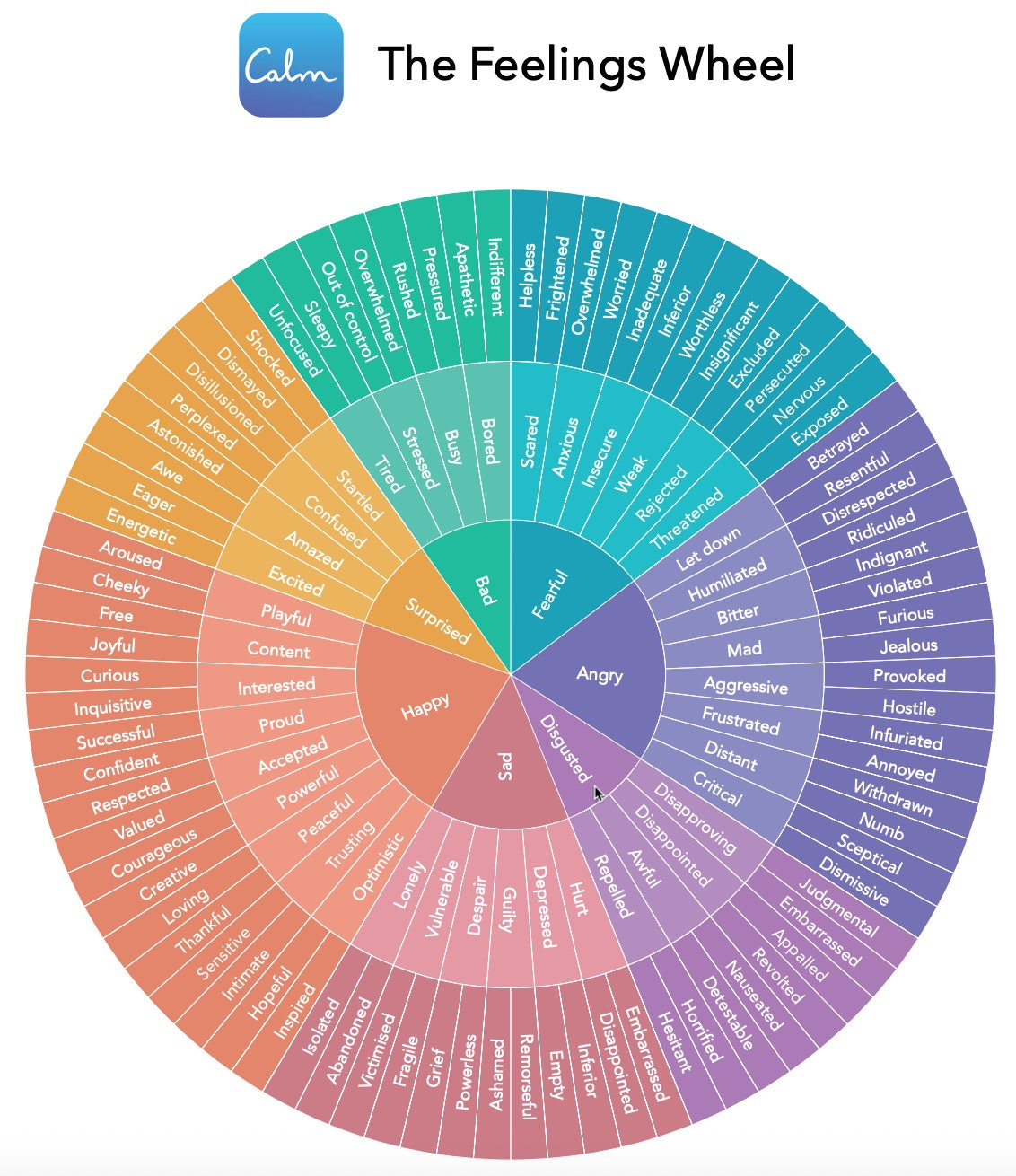
If something upset me, I went straight to sadness, disappointment or problem-solving. I didn’t identify anger because it never felt safe, productive or useful.
But here’s what I’ve learned:
Emotions don’t vanish just because we can’t feel them. The body stores what the mind suppresses.
And suppressed emotions—especially anger—keep the nervous system on high alert.
High alert amplifies pain.
This was the blind spot that my article, Rethinking What is Behind My Pain. was leading me toward, and I didn’t see it coming.
The Emotional Moment That Broke the Pattern
In therapy, there was a moment during EAET when sadness surfaced in a way that didn’t match the situation. It was too big. Too heavy. Too familiar.
My therapist asked a question I wasn’t prepared for:
“Is this sadness… actually anger?”
Instantly, my body reacted.
Not my thoughts.
My body.
My chest tightened.
My face got hot.
My breathing changed.
It was the first time I realized: I had spent decades routing anger through sadness because sadness felt safer.
It wasn’t wrong.
It wasn’t character failure.
It was adaptation.
But the cost of that adaptation was a nervous system that treated anger like danger—because I never allowed myself to feel it consciously.
Which meant the emotion didn’t disappear.
My body carried it.
And my pain amplified it.

Why This Matters for Chronic Pain
This isn’t about “feeling your feelings.”
It’s about neurophysiology.
When anger or other “threat-tagged” emotions are suppressed:
the amygdala stays activated
the nervous system interprets internal emotion as external danger
the body braces
bracing amplifies pain signals
the brain strengthens the pain pathway
symptoms flare even without physical cause
This is not imaginary pain.
This is not “thinking yourself sick.”
This is not blaming patients.
This is a nervous system doing its job too well.
Pain is real. And emotional suppression can act as fuel for amplification.
Understanding that mechanism changed everything for me.
EAET: A Different Kind of Emotional Work
Emotional Awareness and Expression Therapy (EAET) is not talk therapy.
It’s not dumping emotions.
It’s not dramatic catharsis.
It’s structured.
It’s contained.
It’s grounded in neuroscience.
EAET helps the brain reclassify certain emotions—especially anger, fear, disappointment and shame—from “dangerous” to “allowed.”
And when the brain no longer treats an internal emotion as an external threat, it stops producing protective responses the body can’t sustain.
Including amplified pain.
EAET isn’t about emoting.
It’s about updating the nervous system’s threat map.
That distinction matters.
What This Looked Like for Me (Early Steps Only)
I didn’t begin with a big emotional event.
I started with the smallest irritations I usually swallowed:
The moment I felt brushed off
The moment I said “it’s fine” when it wasn’t
The moment I tightened my jaw instead of naming what bothered me
I practiced noticing the physical sensation of anger before interpreting it.
If I felt heat, tightness or pressure, I labeled it quietly:
“This is anger.”
Not acted on.
Not analyzed.
Just acknowledged.
I wrote an unsent letter—not to deliver, but to let the emotion exist.
I said things out loud I had never said before, even if no one else heard them.
Small, contained steps.
Nothing dramatic.
Just the beginning of teaching my nervous system that the emotion wasn’t dangerous.
Boundaries (Read This Twice)
This work is powerful, but it requires responsibility.
This should be done with therapeutic support.
Not all chronic pain is amplified.
Not all symptoms are emotional in origin.
This is not a replacement for medical care.

Structural and emotional factors can coexist.
My own story confirms that.
This framework does not apply to everyone.
What I am sharing is not a prescription.
It’s a lens.
The Impact So Far
My pain hasn’t disappeared.
But my nervous system is no longer reacting blindly.
Flares are shorter.
Intensity is lower.
My body feels less braced.
I feel more in control.
I can see patterns I couldn’t see before.
And most importantly:
My pain has started to no longer speak on behalf of emotions I never allowed myself to feel.
That’s the shift I didn’t know I needed.
And it’s the shift that’s quietly changing everything, as it starts.
The more I understand the emotional engine behind my pain, the less power that pain has over me.
Sign up now to receive future newsletters directly in your inbox for free. Or upgrade to paid for more reader benefits.